

Govt Moves to Outsource Three Port Terminals by December, Critics Warn of Strategic Risks
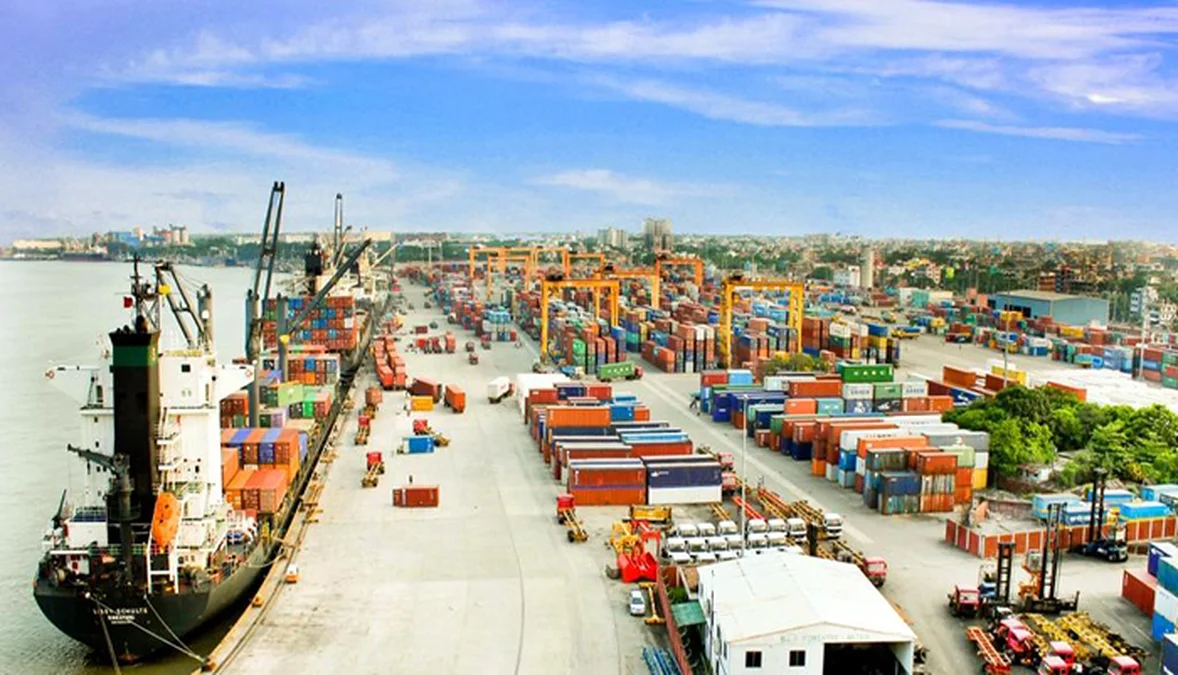
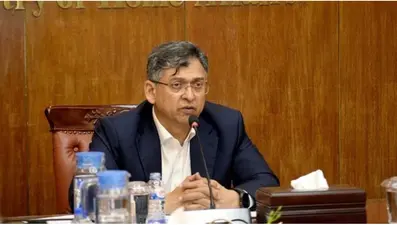
The Chattogram Port’s Laldia and New Mooring Container Terminals (NCT), along with the Pangaon Inland Container Terminal in Keraniganj, Dhaka, will be handed over to foreign operators by December, confirmed Mohammad Yusuf, Secretary of the Ministry of Shipping.
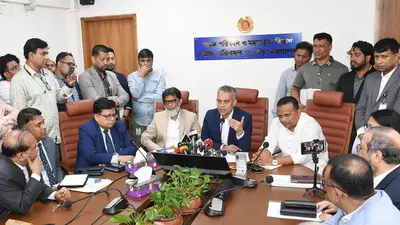
“These terminals will be leased to foreign operators for 25 to 30 years. We expect agreements to be finalised by December,” said the secretary, speaking at a seminar on Sunday titled “Investment Potentials in the Ocean-Going Shipping Industry”, organised by the Economic Reporters’ Forum (ERF) in Dhaka.
Yusuf justified the decision by citing limitations in port capacity and infrastructure. “There’s no alternative. Our current system cannot sustain the growing pressure. By 2030, we must handle 5.36 million TEUs of container traffic. Without foreign operators, this is not possible,” he said.
He added that agreements made with foreign firms may be published online if necessary for transparency.
However, the decision has sparked growing concern and criticism from various quarters. Experts argue that handing over critical national infrastructure to foreign companies without first attempting to develop domestic capacity undermines long-term national interests.
“There can be no sustainable solution that bypasses the development of our own institutional and human capacity,” said a senior logistics analyst, who wished to remain anonymous. “This creates long-term dependency and erodes strategic autonomy.”
In addition, questions have been raised about the foreign companies being considered for these terminals. Some of these firms have faced criticism internationally for allegedly operating in alignment with the strategic interests of powerful countries, rather than as neutral commercial entities.
“This isn’t just about efficiency. Ports are strategic assets. Who runs them, and under whose influence, matters for national sovereignty,” said another observer.
In his speech, Shipping Secretary Yusuf acknowledged the need for reform in port operations. “Currently, containers are being opened and goods cleared inside the port itself—this is unheard of globally. Of the 13 gates at Chattogram Port, only six have scanners, and half of those are usually out of order. We cannot run our ports like this,” he said.
Present at the ERF seminar were ERF President Daulat Akter (Chair), Bangladesh Ocean Going Ship Owners’ Association President Azam J Chowdhury (Special Guest), and PRI Chairman Dr. Zaidi Sattar (Keynote Speaker). The event was moderated by ERF General Secretary Abul Kashem.
While the government argues that foreign partnerships will enhance investment and efficiency, critics maintain that without investing in domestic expertise and technology, such partnerships may come at the cost of national control over vital infrastructure.