


Rising Production Costs Shrink Farmers’ Profits Amid Price Volatility
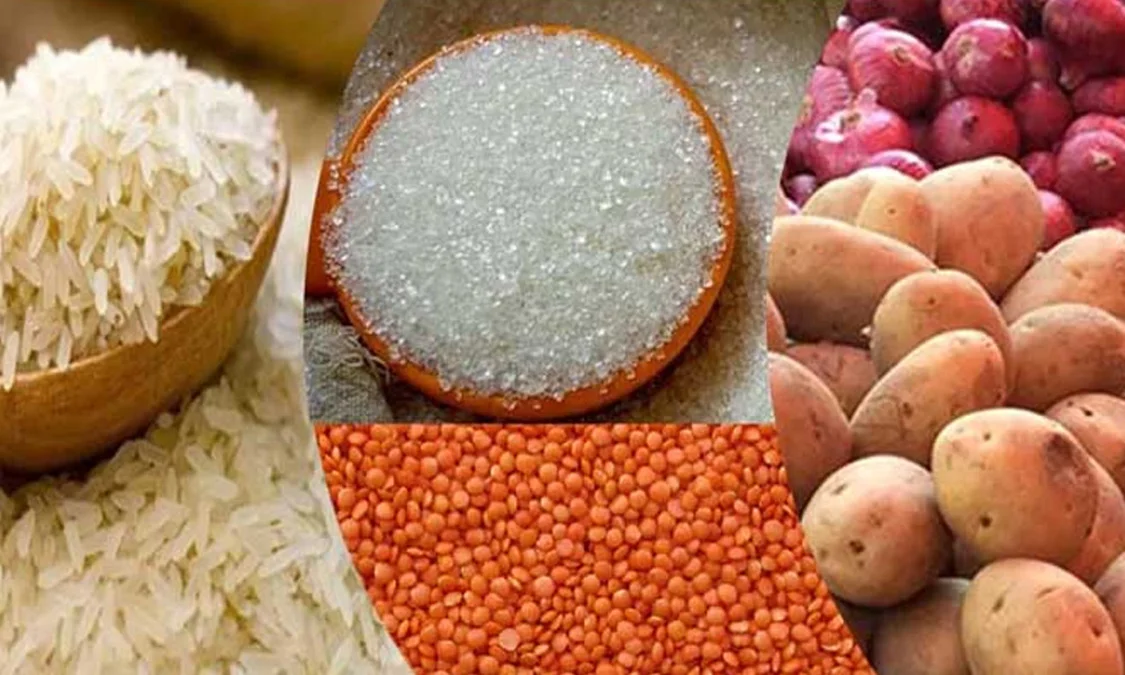
From paddy and rice to potatoes, onions, broiler chickens, and eggs—price volatility in the market for the country’s major agricultural products has now become an everyday reality. In some cases, farmers are incurring losses, while in others consumers are being forced to pay higher prices. To identify the reasons behind this contradiction, Bangladesh Bank has recently conducted a comprehensive survey on the agricultural value chain. The research report of the survey was published on Wednesday (January 21).
The study, titled “A Study on Value Chain Efficiency of the Agricultural Products in Bangladesh (Second Phase),” was jointly conducted by the Chief Economist Unit of Bangladesh Bank and the Governor’s Office. The research analysed field-level data from 61 upazilas across 18 districts of the country. The report identifies rising production costs, seasonal shortages, weak storage facilities, and poor market management as the main causes of price instability.
The Bangladesh Bank survey clearly shows that the core problem in the agricultural products market is not a lack of production, but weaknesses in management. Without timely policy support and enhanced financial protection, farmers will continue to suffer losses, and the burden will ultimately fall on consumers.
Paddy and rice: Rising costs, pressure on prices
According to the survey, the retail price of coarse rice produced in the 2025 Boro season stood at Tk 61 per kilogram, about 11 percent higher than the previous year. The study found that production costs increased by around 35 percent in one year. The main reasons include rising labour wages, excessive use of fertilisers and pesticides, and a reduction in cultivable land.
Many farmers shifted to potato and onion cultivation in the previous year in hopes of higher profits. As a result, both paddy cultivation area and output declined. In addition, weak rainfall and prolonged rains disrupted paddy drying and threshing, which affected rice production at the mill level.
Due to a continuous 10-day Eid holiday and bank closures, paddy trading came to a halt. This led to raw material shortages for rice mills and contributed to rising rice prices in the market.
A similar situation exists for fine rice. The retail price stands at Tk 78 per kilogram, marking an increase of about 11 percent over one year. Production costs rose by 18 percent, while cultivation area declined by 4 percent.
Potatoes: Losses despite bumper production
Although potato production has been good this year, farmers are not benefiting. While production costs are Tk 19 per kilogram, potatoes are selling at only Tk 12–13 at the farm level. As a result, farmers are incurring significant losses per kilogram.
To prevent losses, farmers are storing about 59 percent of their potatoes in cold storage facilities. However, the survey found that storage costs stand at Tk 6.75 per kilogram, which is higher than actual costs. Due to excess supply in the market, stakeholders do not expect prices to rise in the near future.
Onions: Stable prices, limited profit
Onion production exceeded targets this year. Currently, the farm-gate price stands at Tk 43 per kilogram, while production costs are Tk 33. Although there appears to be a profit on paper, losses due to weight reduction and spoilage during long-term storage reduce actual profits to nearly zero.
The survey states that onion prices need to be between Tk 50 and Tk 60 per kilogram to ensure fair profits for farmers. Introducing modern airflow storage technology could reduce wastage and increase farmers’ income.
Broiler chicken and eggs: Farmers bearing losses
Broiler chicken farmers have faced the biggest setback at the farm level. Production costs stand at Tk 132 per kilogram, while sales prices are only Tk 120. During Eid-ul-Azha, increased availability of red meat reduced demand for chicken, placing the entire burden on poultry farmers.
Small egg producers have also suffered losses. In contrast, large farmers and corporate entities have been able to maintain profits due to lower production costs.
Recommendations by Bangladesh Bank
The report recommends introducing a minimum support price (MSP) in the agricultural and poultry sectors. It also calls for strict monitoring of fertiliser, feed, and medicine markets. Expanding modern storage and drying infrastructure is essential. Additionally, low-interest loans and refinancing facilities should be introduced to strengthen post-harvest management.