

Minorities Worry Over Their Safety Ahead of Polls After 2,184 Religious and 489 Indigenous Attacks
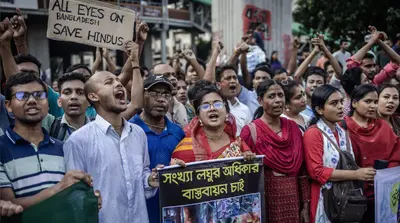
Religious and ethnic minority communities in Bangladesh are increasingly worried about their safety as the country moves toward its next national election, amid a sharp rise in violence targeting vulnerable groups.
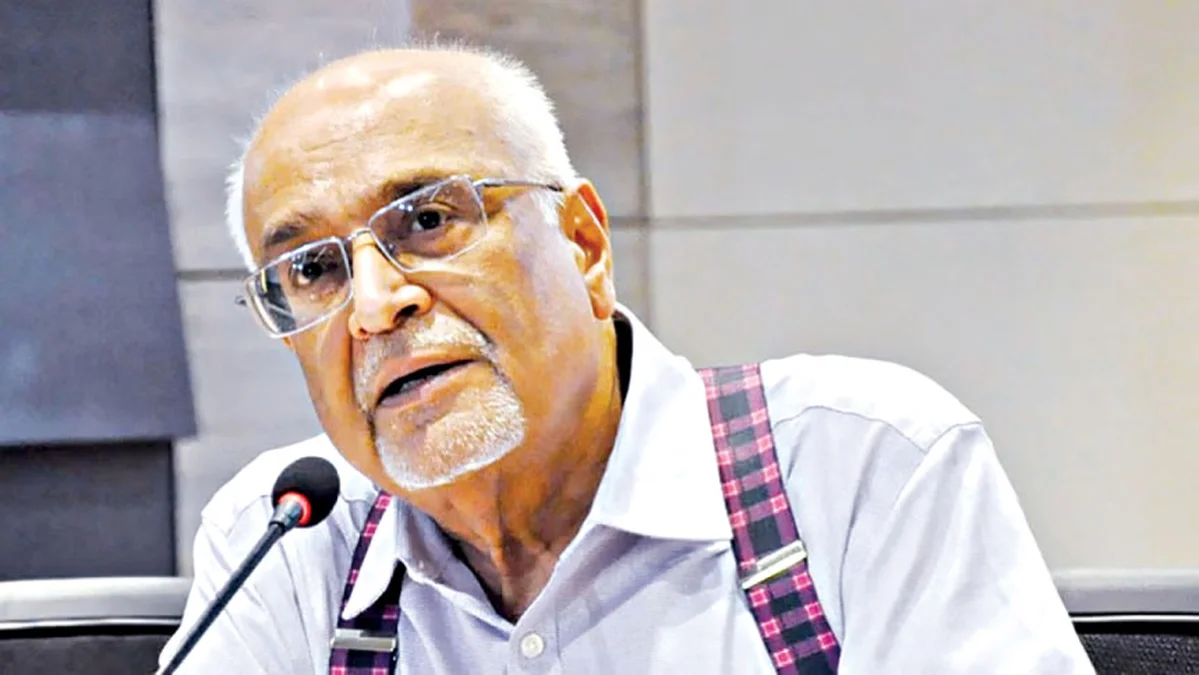
At a recent discussion on minority rights held in Dhaka, economist Dr Debapriya Bhattacharya warned that the growing use of religion and identity politics ahead of elections poses a serious threat to Bangladesh’s social stability, economy, and democratic future.
Presenting data at the event, speakers said that 2,184 incidents of violence against religious and ethnic minorities and 489 incidents targeting indigenous communities were recorded over the past year. These incidents included physical attacks, threats, vandalism of homes and places of worship, land grabbing, and intimidation, raising alarm ahead of the polls.
Dr Debapriya said attacks on minorities are not isolated incidents but part of a broader political pattern. He cautioned that when religion and ethnicity are used as political tools, it weakens democratic institutions and damages Bangladesh’s international image.
“Such politics ultimately harms the economy, discourages investment, and erodes trust in the state,” he said, stressing that minority insecurity is a national issue, not a community-specific one.
Other speakers noted that violence against minorities is often driven by political rivalry, attempts to seize land or property, and efforts to establish local dominance, rather than religious motivations alone. They criticised the failure of institutions to ensure accountability and said perpetrators often enjoy impunity.
Minority representatives said fear and intimidation are discouraging many from participating freely in the electoral process. In several areas, minority voters reportedly face pressure and threats linked to their perceived political preferences, raising concerns that the upcoming election may not be inclusive.
Speakers also expressed concern that recent incidents of mob violence have intensified insecurity among minority communities, further deepening mistrust in law enforcement and the justice system.
Calling for urgent action, Dr Debapriya and other participants urged the government, law enforcement agencies, and election authorities to take immediate steps to protect religious and indigenous communities. They stressed the need for stronger preventive measures, swift investigations, and firm punishment of those responsible for violence.
They warned that unless minority safety is ensured, the credibility of the upcoming election — and Bangladesh’s democratic foundations — will be seriously undermined.