



Saint Martin Island
The Small Island Causing Big International Tensions
Bangladesh, located in South Asia, has emerged as a key focal point in global geopolitical competition following months of unrest and shifts in its power structure over the past year. Although the interim government has pledged to hold elections, the political climate remains tense, clouded by accusations of foreign interference. At the heart of this crisis is a controversial allegation concerning the United States' attempt to secure access to a military base on Saint Martin Island—an issue raised by former Prime Minister Sheikh Hasina, which continues to echo in Dhaka’s political and media spheres despite the passage of time.
Saint Martin: A Small Island with Global Importance
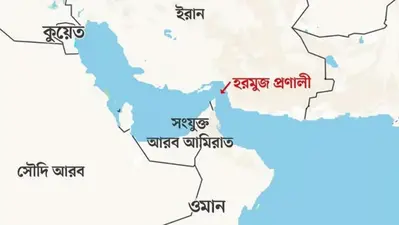
Saint Martin Island, with an area of only three square kilometers, is located northeast of the Bay of Bengal and holds significant strategic importance. The island’s location near major trade routes to the Malacca Strait has made it a key place for monitoring military and commercial traffic. Experts believe control of this island could shift the balance of power in the Indian Ocean. For America, its presence in this region is part of its strategy to contain China within the framework of the “Free and Open Indo-Pacific” plan, while for China and India, maintaining influence in this area is considered a security imperative.
Claims of US Pressure to Gain Military Favor
Former Prime Minister of Bangladesh, Sheikh Hasina, in statements that still echo, claimed that Washington pressured her during her term for possession of a military base on Saint Martin Island. She said that if she had accepted this favor, she would have retained Western political support. Although the current administration and American officials have denied these statements, tensions in relations between the two countries, the expulsion of diplomats, and the harsh stance of Western media against the Dhaka government have strengthened suspicion that Washington is seeking to reshape Bangladesh’s political order according to its interests.
Similarities of Developments in Bangladesh with the Model of Color Revolutions
From the perspective of regional observers, developments in Bangladesh show obvious similarities to Western-backed color revolutions. The protests, which began with an internal demand—namely, the quota of government jobs—quickly took on political and anti-government dimensions. The role of youth and student groups, use of coded messages, widespread activity of international NGOs, and targeted dissemination of violent images on social media all resemble tactics observed in Ukraine, Georgia, and Serbia. Analysts say Washington relies on such mechanisms to exert soft pressure on independent governments that do not align with American policies.
Muhammad Yunus, a Washington-Linked Figure Heading the Interim Government
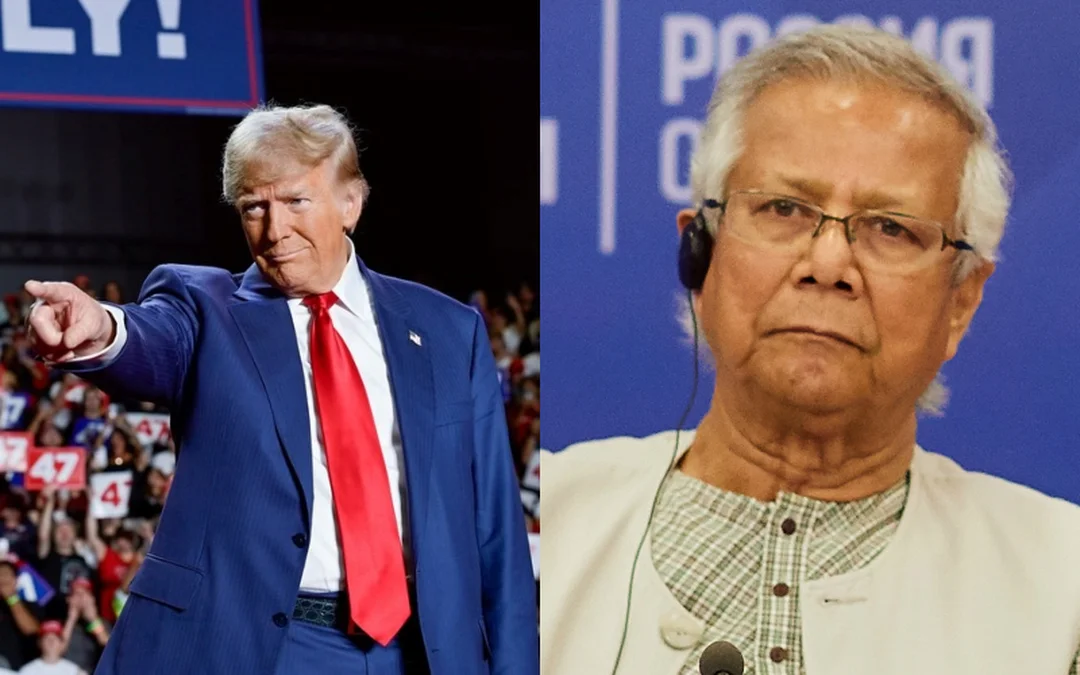
Following the change in Bangladesh’s political structure last year after nationwide protests and the resignation and departure of Prime Minister Sheikh Hasina from Bangladesh, Muhammad Yunus, an economist and Nobel Peace Prize laureate, took office as head of the interim government. Although he presents himself as a reformist figure, his close ties to political circles in America, including the Clinton family and foundations linked to George Soros, have led some to consider him Washington’s preferred choice to lead Bangladesh. In previous years, reports showed that direct American pressure had stopped legal cases against Yunus. Now, his return to power is seen by observers as a kind of “redefinition of the political order” focused on Western interests in the region.
Regional Reaction; Concerns of India and Opportunism of China
At the regional level, developments in Bangladesh have drawn close attention from two neighboring powers, India and China. New Delhi, which has always supported governments close to Hasina, is now concerned about the possibility of increased American influence on its eastern borders. On the other hand, China, with its large investments in Bangladesh’s infrastructure projects through the “Belt and Road Initiative,” sees recent developments as an opportunity to strengthen its presence and counter the US plan to contain China.
An Uncertain Future and Power Struggles over Dhaka
While the interim government has promised to hold free elections, Bangladesh remains in a fragile state. Political observers believe the country has already turned into a stage for a three-way competition between Washington, Beijing, and New Delhi. America is trying to consolidate its position in the Bay of Bengal by strengthening new military and political ties; China seeks to preserve its trade routes and economic influence; and India attempts to prevent Bangladesh from becoming a base of influence for foreign powers. The future of Bangladesh will not only determine its internal fate but will also impact the geopolitical equations of the entire Indo-Pacific region.
Source: PARS TODAY