


12 lakh more people will remain below the poverty line in Bangladesh: World Bank
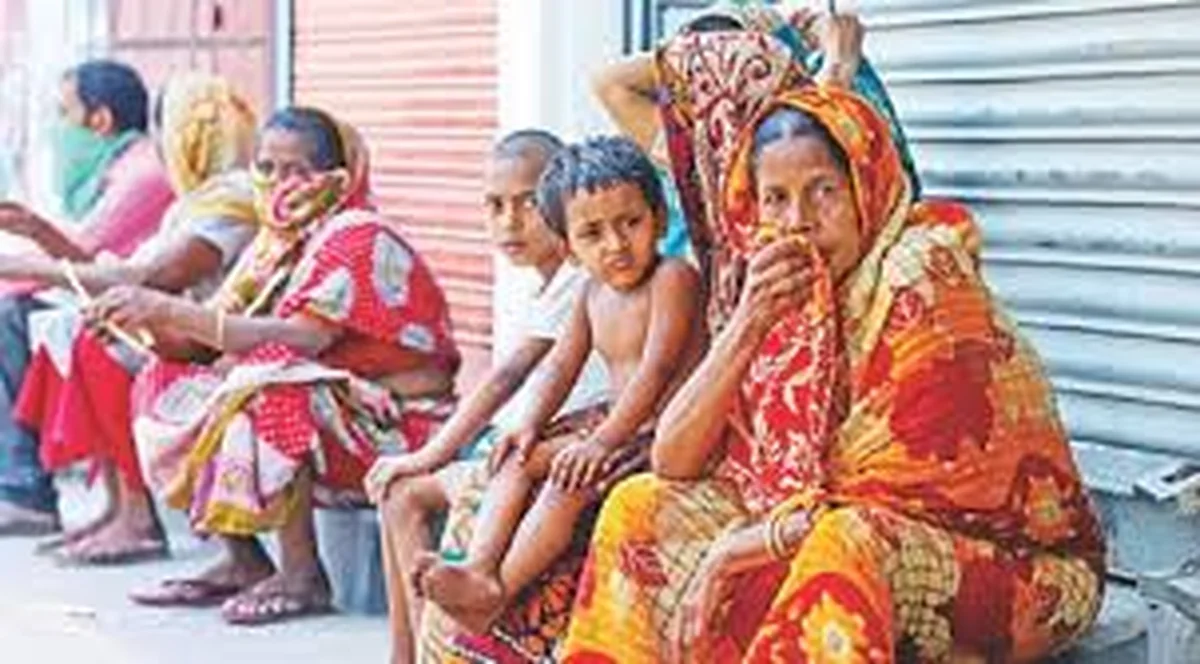
The World Bank has stated that due to the impact of the Iran and US-Israel conflict, 1.2 million people in Bangladesh will remain below the poverty line.
This information was published on Tuesday in the April edition of the multilateral lending agency.
In the report, the World Bank has forecast that Bangladesh's economic growth will decline further in the current fiscal year.
It states that between 2022 and 2025, poverty reduction in Bangladesh has slowed due to constraints in creating productive employment, sluggish growth in labor income, and high inflation. As a result, the poverty and welfare situation deteriorated during this period.
According to the agency's forecast, the national poverty rate in Bangladesh may increase for the third consecutive year from 18.7 percent in 2022 to 21.4 percent in 2025.
The report further states that based on the international poverty line, approximately 1.4 million more people may fall into poverty during this period.
The World Bank says that the economic recovery of Bangladesh projected for 2026 is now at risk. Earlier, it was estimated that around 1.7 million people would rise above the poverty line in the 2025–26 fiscal year. However, due to the Middle East conflict, the situation of more than 500,000 people is unlikely to improve.
As a result, about 1.2 million people are expected to remain below the poverty line, which the World Bank believes will dampen the benefits of potential economic progress.
Additionally, the agency estimates that at least 600,000 people may lose their jobs due to the conflict.
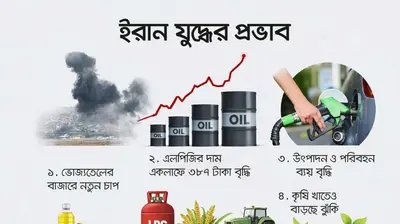
The report also warns that the conflict may further exacerbate Bangladesh’s high inflation, financial sector vulnerabilities, policy constraints, and lack of confidence.
Moreover, rising import costs, declining exports, and reduced remittance inflows will put pressure on the current account balance. On the other hand, increased fuel prices and exchange rate pressures may further drive inflation. Increased energy subsidies will also create fiscal pressure on the government.
To address these risks, the World Bank recommends a comprehensive stabilization strategy, including structural reforms to enhance economic security, restore confidence, revive investment, and ensure sustainable growth.
The World Bank has revised the real GDP growth target for fiscal year 2026 down to 3.9 percent from the 4.6 percent projected in January 2026.
The agency expects that inflation may decrease somewhat compared to fiscal year 2025, but due to rising import and energy costs caused by the conflict, it will remain at a high level.