

Thousands of Bangladeshi expatriates may have to return from Malaysia
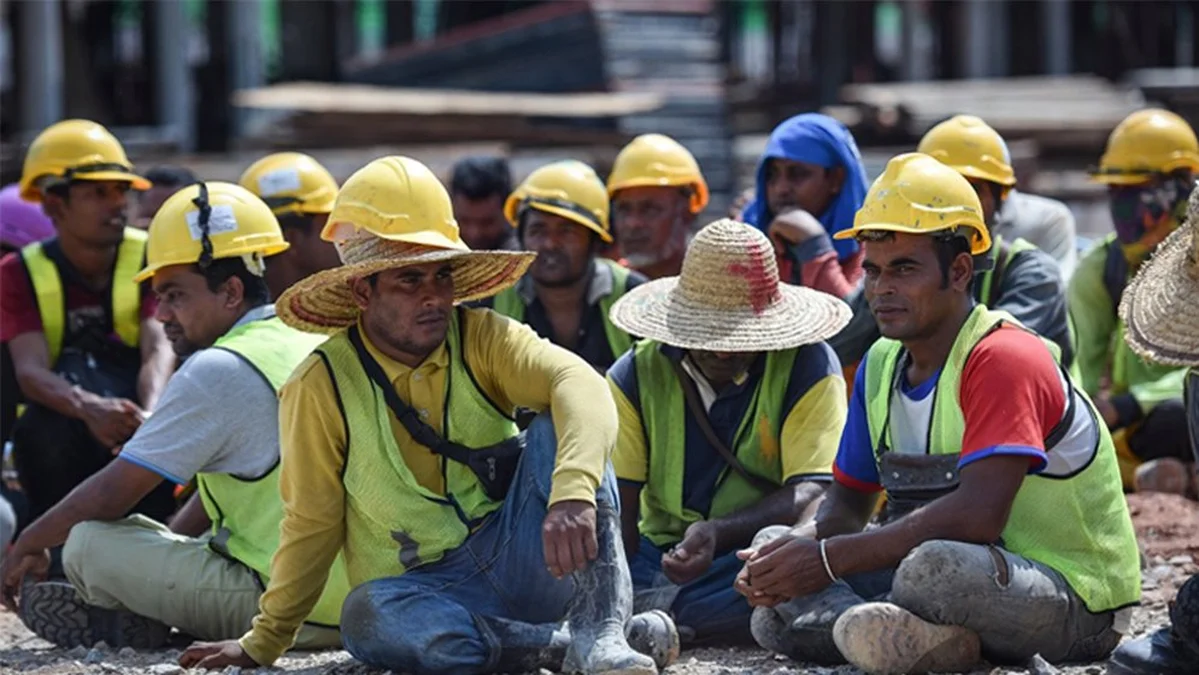
Malaysia, an emerging economy in Southeast Asia, has planned to reduce the number of foreign workers. Currently, more than 14 percent of the country’s workforce consists of foreign workers, but the government aims to bring it down to 5 percent by 2035. The main objective is to increase the participation of local citizens in the job market.
If this plan is implemented, many Bangladeshi workers and professionals working in Malaysia may have to return home. Currently, more than 800,000 Bangladeshis are working legally in the country, while several hundred thousand more are living there illegally. It is also feared that the pathway for sending general workers from Bangladesh may effectively be closed.
The new policy will come into effect from June 1. The minimum salary threshold for obtaining visas for foreign workers has been nearly doubled. Under the three categories of Employment Pass, the salary thresholds have been set at 20,000, 19,999, and 9,999 ringgit respectively. The duration of stay will be limited to a maximum of five to ten years. After the expiry of the term, employers will have to present plans to recruit local workers.
According to the Malaysian government, excessive dependence on low-skilled foreign workers has slowed down the country’s economic momentum. The prevalence of low-skilled and low-wage jobs has reduced productivity growth. Therefore, stricter conditions are being imposed, especially for higher-paid expatriates.
Bangladeshi expatriates say that their future has become uncertain under the new rules. Some are considering alternative destinations. Dr. Md. Imtiaz Hossain, a lecturer at Sunway University in Malaysia, said, “There is concern among all of us who are professionals. We had planned to stay here long-term, but now we have to think about alternatives.”
He believes that implementing the new salary structure will be difficult except for large institutions. Small and medium enterprises will be compelled to hire local workers. As a result, the risk of foreigners losing their jobs is increasing.
According to Bangladesh Bank data, Malaysia currently ranks fourth in terms of remittance inflows. In the first seven months of the current fiscal year, Bangladeshis in the country have sent more than 2.03 billion dollars in remittances.
Migration expert Asif Munir said, “If Bangladeshi professionals do not have sufficient skills, they may have to return home. The government must now adopt strategies to find alternative markets.”