Mukti Bahini Gains Momentum
Key Regions Freed as Pakistani Forces Collapse in December 1971
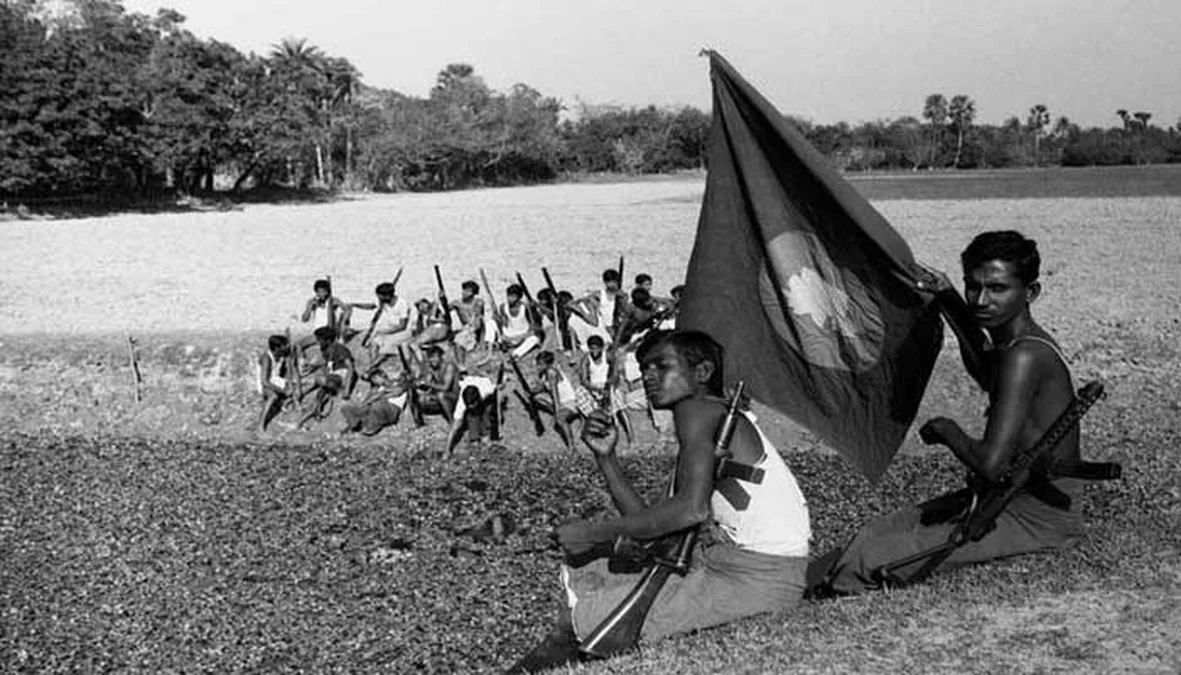
As the days of the Liberation War of 1971 progressed, it became increasingly clear that sooner or later the Pakistani occupiers would have to admit defeat in the face of the courage of the Bengalis. The Pakistani forces were equipped with modern weapons. They had greater training, manpower, and financial strength. But the ordinary farmers, workers, students, and people of Bengal possessed the firm determination to defend their motherland. Morally, the Pakistani forces were defeated from the very beginning of the war, because they were the occupiers. The freedom fighters of Bengal were fighting to save their motherland and their own people. Therefore, they fought with complete devotion and the resolve to sacrifice their lives.
On December 1, in the battle of Kanaighat in Sylhet, 30 Pakistani soldiers and Razakars were killed in a Mukti Bahini attack. Pakistanis began retreating from Juri, Barlekha, and Kulaura. In the battle of Chhatak, 65 Razakars were killed. Pakistani troops withdrew from Sunamganj and Moulvibazar. In various regions of Bangladesh, Mukti Bahini continued to defeat the Pakistanis in fierce battles. Heavy fighting took place in Darshana. In Brahmanbaria, several areas—including Merani, Gairalsani, and Rajapur—were liberated by Mukti Bahini. Kaliganj of Satkhira was freed from enemy control. Bangladesh’s then Home Minister AHM Qamruzzaman, along with Fani Majumdar, Tofail Ahmed, IG M A Khalek and other leaders visited the area to establish civilian administration.
On December 2, freedom fighters drove the Pakistanis out of Panchagarh. In various regions of Fatikchhari, Raozan, and Anwara in Chattogram, the Pakistanis were defeated in face-to-face combat. Heavy fighting also took place in the Chittagong Hill Tracts. The freedom fighters continued to achieve victory.
Meanwhile, the malicious activities of the Pakistanis and their collaborators also continued. On November 30, Golam Azam, the then Ameer of East Pakistan Jamaat-e-Islami, said at a press conference in Rawalpindi that “members of Jamaat-e-Islami and Razakars are sacrificing their lives to protect Pakistan.” This notorious war criminal urged President Yahya Khan to visit East Pakistan. On December 2, Yahya Khan wrote a letter to U.S. President Richard Nixon. Referring to the 1959 Pakistan–U.S. bilateral agreement, the military junta sought American assistance. The reason was that the “large Pakistan Army” could no longer continue the war alone against the fierce Bangladeshi freedom fighters.
On the other hand, at a Congress workers’ meeting in India, Prime Minister Indira Gandhi urged the Pakistan Army to leave the land of Bangladesh. Addressing the Pakistani military junta, she said that the days were over when they could impose authoritarian decisions on the people of East Bengal from three to four thousand miles away.
Even before December, liberated zones were being established in various regions of the country. On November 24, the Nawabganj police station area, located across the river near Dhaka city, was freed. In eight months of the Liberation War, more than three hundred Pakistani soldiers were killed in seven major battles and all other fighting in this region. On November 24, the Pakistani killer forces were forced to leave the Nawabganj area. On November 25, the flag of independent Bangladesh was hoisted in liberated Nawabganj.
Meanwhile, on December 2, the guerrilla forces destroyed Dhaka’s Rampura power supply center, five power substations in Chattogram, and two petrol pumps in bomb explosions.
Thus, through the bravery and courage of the freedom fighters, Bangladesh steadily advanced toward achieving final liberation.