Historic Liberation of Ashuganj on December 10, 1971
A Landmark Victory in Bangladesh Liberation War
December 10, 1971, marks the Liberation Day of Ashuganj—an unforgettable and historic day in the Bangladesh Liberation War. On December 9, one of the most intense and decisive battles of the war took place in Ashuganj, involving the Indian allied forces, Bangladeshi freedom fighters, and Pakistan’s invading army. Following this fierce battle, Ashuganj was liberated on December 10 after the Pakistani forces were defeated. Several Indian military officers and a large number of soldiers sacrificed their lives during this operation. The people of Ashuganj still carry the painful memories of that devastating conflict.
Ashuganj, located in the bordering district of Brahmanbaria, is considered a sacred battleground of the Liberation War. Due to its strategic geographical importance, both the freedom fighters and the Pakistani forces sought to maintain control over Ashuganj. As a result, large‑scale battles took place there both in the early days of the war and during the final phase leading to victory—causing substantial loss of life and property.
Ashuganj is the only battlefield in 1971 where all three military dimensions—air force (fighter jets), naval force (gunboats), and ground force (tanks and infantry)—were deployed simultaneously. Historical research and writings on the Liberation War consistently highlight the significance of the April 14 Ashuganj resistance battle and the December 9 recapture battle. Many of the distinguished war heroes of the East Bengal Regiment, who later gained national and international recognition and honorary titles, directly participated in these battles. Notable among them are Bangladesh’s first Army Chief General K. M. Shafiullah, former Army Chief Lt. Gen. A. S. M. Nasim, Major General Md. Abdul Matin, Major General Helal Morshed Khan (who still carries bomb splinters from the April 14 battle), Major General Subid Ali Bhuiyan, Major General Ainuddin, and Major Nasir. Detailed descriptions of these events can be found in my extensively researched book “Muktijuddho O Ashuganj.”
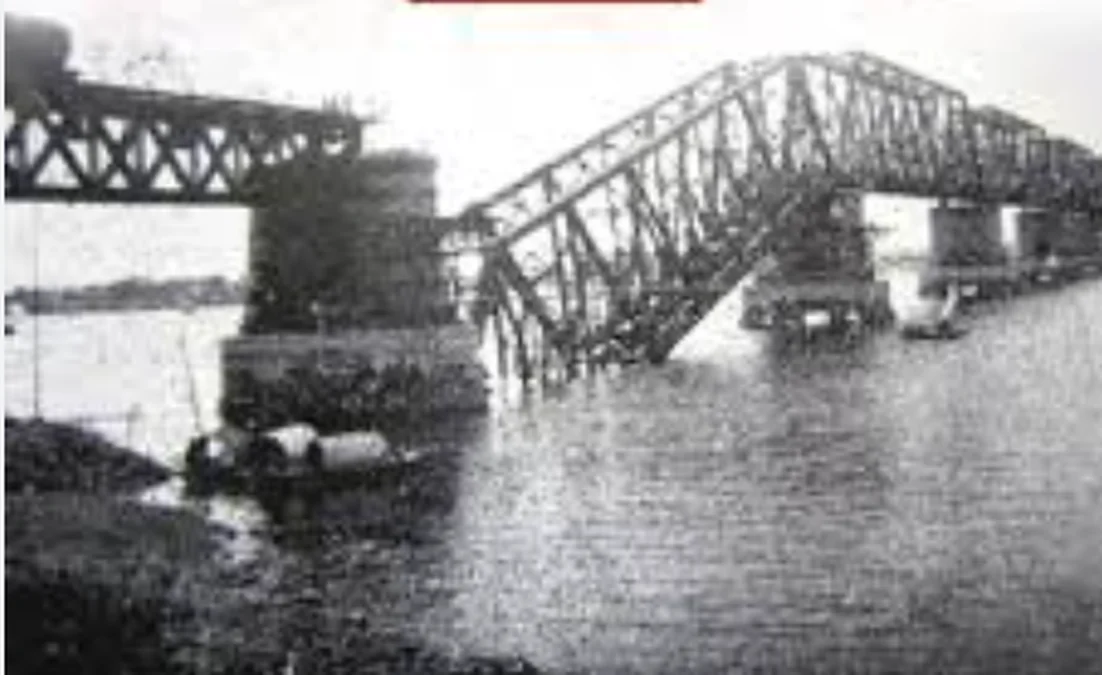
In the early days of the war, on April 14, Pakistani forces launched combined air and ground attacks on the positions of the East Bengal Regiment’s Alpha Company, led by Captain A. S. M. Nasim and Lt. Helal Morshed Khan, stationed at the Ashuganj railway area. The several-hour-long attack resulted in the martyrdom of local freedom fighter Md. Hossain, and East Bengal Regiment members Havildar Seraj, Lance Naik A. Hai, and soldier Kofil Uddin. Company Commander Captain Nasim and Deputy Commander Lt. Helal Morshed Khan were injured. In the counterattack, freedom fighters killed a large number of Pakistani soldiers attacking from Bhairab via the Meghna Bridge toward Ashuganj, including several officers. This was the first major instance in the war where freedom fighters inflicted such heavy casualties on the Pakistani army.
Although Ashuganj was liberated on December 10, the Ashuganj market area had turned into a devastated wasteland. Bodies of Pakistani soldiers lay in bunkers near the food storage depot rail tracks. Even after liberation, thousands of Pakistani troops positioned across the river in Bhairab continued shelling Ashuganj. Indian allied forces and the East Bengal Regiment stationed in Ashuganj retaliated with counterfire on the enemy positions in Bhairab. This exchange continued until Bangladesh’s victory on December 16. Although Ashuganj was officially liberated on December 10, the market area became accessible to the public only after December 16.