




Bangladesh-US Tariff Pact Falls Short: Only 1% Reduction After Months of Talks
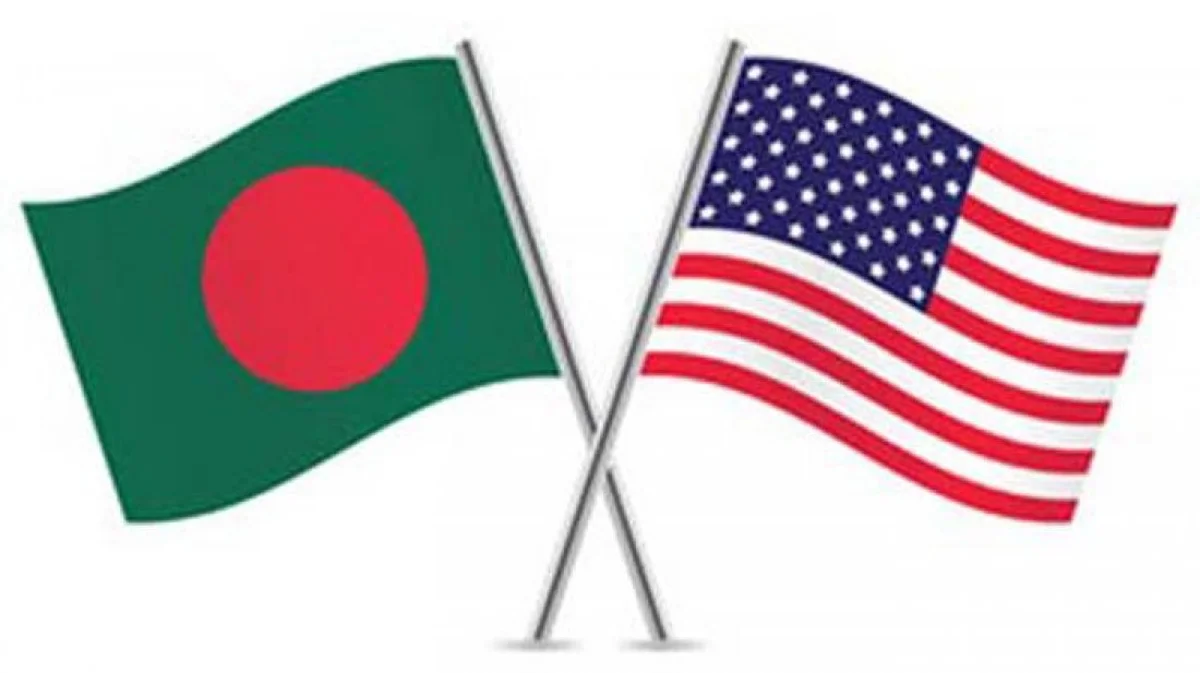
After nine months of continuous negotiations, the signing of the “reciprocal tariff agreement” between Bangladesh and the United States has drawn mixed reactions from trade analysts. The agreement, signed in Washington on Monday, has reduced reciprocal tariffs on Bangladeshi products by only 1 percent, bringing them down to 19 percent a result many believe falls far short of expectations given the length and intensity of the discussions.
Under the agreement, the originally proposed 37 percent tariff on Bangladeshi exports was reduced to 20 percent in August last year. However, the latest round of negotiations resulted in only a marginal 1 percent reduction. Analysts are now questioning whether such a limited concession justifies nine months of diplomatic and trade engagement.
Experts point out that at a time when competing countries enjoy duty-free access or face single-digit tariffs in major global markets, a 19 percent tariff still remains a significant burden for Bangladeshi exporters. Against this backdrop, doubts have emerged over whether the agreement can realistically be described as a major breakthrough.
Although the deal mentions the possibility of zero-percent tariffs for certain textile and apparel products, the provision comes with strict conditions. The requirement to use cotton and man-made fibers produced in the United States has raised concerns about its practical effectiveness. Industry insiders warn that this could increase Bangladesh’s dependence on US raw materials, potentially driving up production costs and reducing overall competitiveness.
Meanwhile, questions remain as to why a more substantial tariff reduction could not be secured even after prolonged negotiations. Trade analysts argue that a stronger negotiating stance and clearer strategic objectives might have helped Bangladesh achieve more favorable terms.
Overall, while the government has presented the agreement as a positive achievement, the reality suggests that the gains secured are minimal. As a result, uncertainty persists over whether this deal will meaningfully enhance the competitiveness of Bangladesh’s export sector in the global market.