
Bangladesh Faces Democratic Test After Ban on Sheikh Hasina’s Party
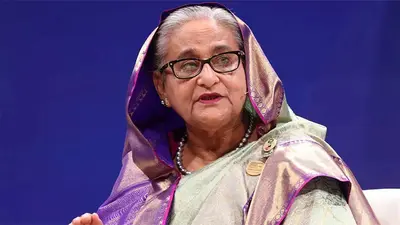
Former Prime Minister Sheikh Hasina’s call to boycott the upcoming national elections has further escalated political tensions after her Awami League party was barred from contesting the polls scheduled for February 2026.
The interim government issued an executive order last May, suspending the Awami League and its affiliated organizations from political activity. This effectively removes one of the most influential political forces in Bangladesh from the electoral process.
Since last year’s student-led uprising, Sheikh Hasina has been living in self-imposed exile in India. In her first interview after leaving Dhaka, she condemned the ban, calling it “unjust and self-defeating” and warning that millions of her supporters could boycott the elections. The decision comes amid longstanding allegations that Hasina’s administration manipulated elections and suppressed opposition voices.
Ironically, the Awami League now faces exclusion as interim authorities prosecute its leaders for alleged crimes committed during last year’s violent crackdown, according to reports from DW.com.
A United Nations report estimates that up to 1,400 people were killed and thousands injured during the clashes between protesters and security forces in mid-2024. The unrest ultimately led to Sheikh Hasina’s removal after 15 years in office.
She now faces charges of crimes against humanity, with prosecutors seeking the death penalty. The verdict is expected on November 13. Sheikh Hasina maintains that the trial is politically motivated and predetermined.
Interim government officials, led by Nobel Peace Prize winner Muhammad Yunus, have dismissed Sheikh Hasina’s boycott appeal. Press Secretary Shafiqul Alam stated, “There is no Awami League anymore. They only organize small processions—nothing more.”
However, analysts caution that excluding a historically dominant party with millions of loyal voters could undermine the credibility of the elections. Even at its lowest point in 2001, the Awami League secured over 22 million votes.
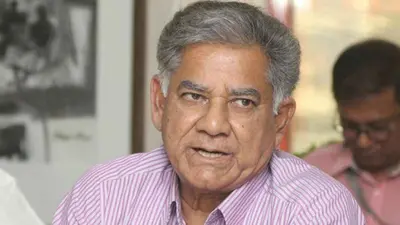
Political analyst Masood Kamal argues that punishing a political party via executive order sets a dangerous precedent. “The people—not the government—should determine a party’s fate. The ultimate punishment a party can face is through the ballot box,” he said.
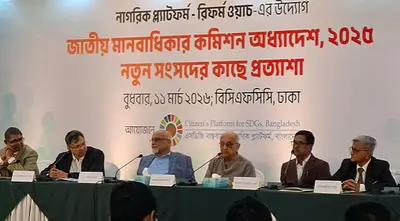
Election experts remain divided on the issue. Badiul Alam Majumdar, head of the government’s electoral reform commission, defended the ban, claiming the Awami League “brought it upon themselves by engaging in criminal activities.”
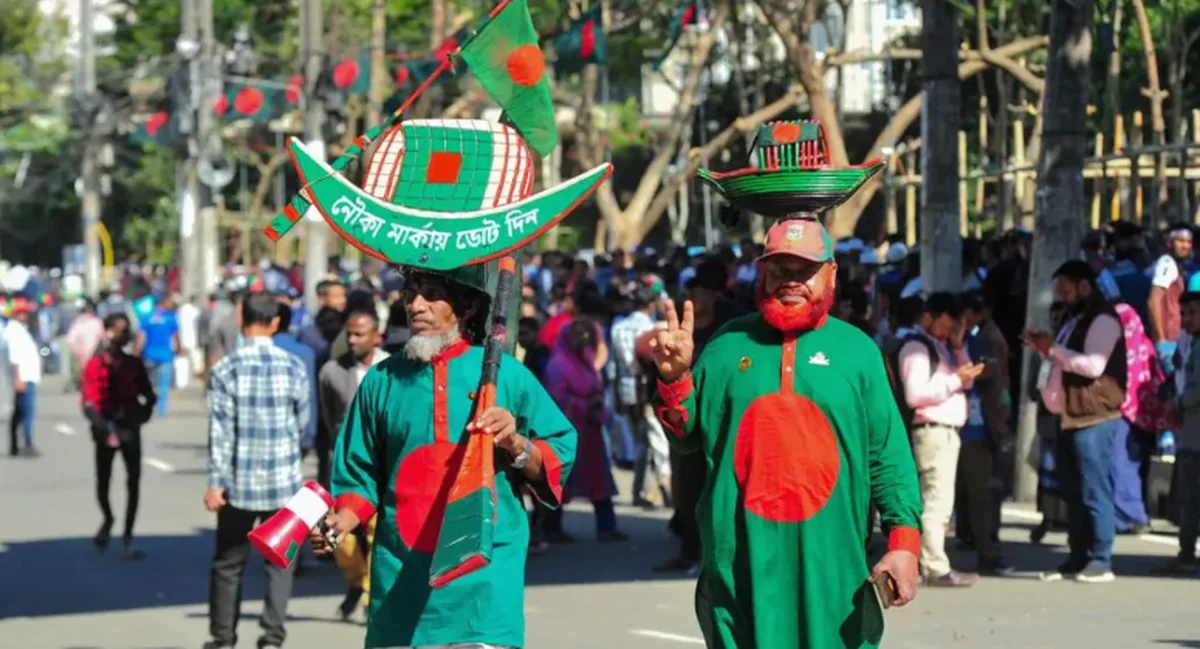
As the February elections approach, Bangladesh’s 126 million registered voters—including millions of first-time voters from Generation Z—are expected to play a decisive role. Many young people were central to the protests that led to Sheikh Hasina’s removal.
Smaller parties, meanwhile, have expressed concerns about an expanding political purge. The Jatiya Party, often criticized in the past for legitimizing flawed elections, has been sidelined from reform discussions, raising fears of shrinking political space.
Shamim Haider Patwary, secretary-general of the Jatiya Party, warned that “excluding major parties sends a clear message that pluralism no longer matters.” He predicted that the 2026 elections could turn into “a one-sided contest.”
Six international human rights organizations, including Human Rights Watch, CIVICUS, and the Committee to Protect Journalists, have urged the interim government to lift the ban, warning that it risks disenfranchising a significant portion of the electorate.
Journalist Masood Kamal noted the irony: “This government was supposed to unite the nation after years of authoritarian rule. Instead, it risks deepening the very divisions it promised to heal.”
Source: The Times