



Muhammad Yunus Has Aligned Himself Not With the People, but With International Powers: Farhad Mazhar
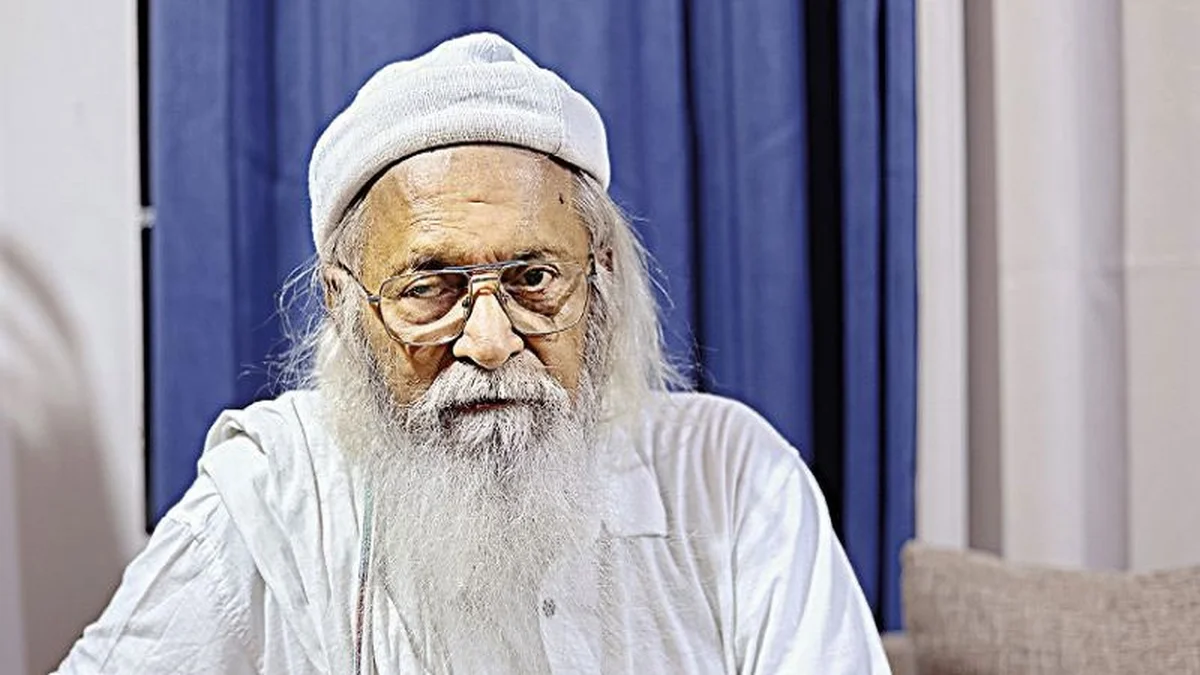
Poet, researcher, and theorist Farhad Mazhar has alleged that although Muhammad Yunus came to power as a result of the July Movement, he has “colluded” with the military and international forces instead of standing with the people. He claims that in the political reality after July, the activities of the Yunus government are not aligned with public expectations and have pushed the country toward further instability.
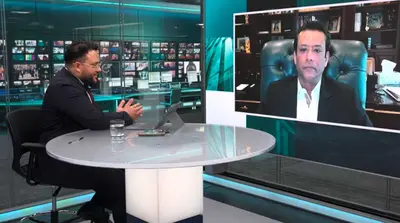
Participating in Inside Out, a discussion program of bdnews24.com, he said, “The uprising was carried out by the people, not by any political party. Then why is he (Yunus) bringing political parties together? These are looter mafia classes.” He alleged that Yunus has taken no fundamental initiative regarding the reconstruction of the state; rather, by announcing elections, he has created the risk of an “extremist religious” force rising to power.
Religious Fascism and the Political Crisis
Farhad Mazhar alleged that after the July violence, “religious fascism” has reared its head in the country, and incidents such as the destruction of shrines, attacks on Bauls, and exhumation of bodies from graves are manifestations of this trend. In his words, “Secular fascism and religious fascism are two sides of the same coin. Now, confronting religious fascism is the primary political duty.”
He further said that the current interim government has failed to confront this extremism and is exhibiting “ignorance” in enforcing the law. “I have even been threatened that my beard would be shaved off. But the government is taking no action against those who are saying such things,” he alleged.
Yunus’s Decisions Called a ‘Grave Mistake’
Criticizing Yunus, Farhad Mazhar said, “He has aligned himself not with the people but with the military, international superpowers, and the looter class. This was not what we expected.”
He claimed that to give the current government constitutional legitimacy, a two-thirds majority in parliament is required, and the elections are being held for that purpose.
Although not opposing the election itself, he said, “The election we want must be a Constituent Assembly election—so that genuine discussions can be held on the future state structure and the constitution.”
A Call for Intellectual Resistance Against Extremist Groups
Speaking about the attacks on Bauls and musicians, he said the claim that “music is haram in Islam” stems from ignorance. “The melody used in the call to prayer also uses musical modes. In Islam, what is haram is anything that leads people away from Allah; music itself is not haram,” he commented.
Pointing out the limits of madrasa-based interpretations, he said that providing religious interpretations without knowledge of political theory, science, and philosophy is “dangerous” for the state. In his view, to counter extremist forces, what is needed is not law but cultural and intellectual resistance.
Surprise Over Hefazat’s Position
Although he stood in support of Hefazat in 2013, Farhad Mazhar expressed disappointment with their role today. He said, “They aligned themselves with the previous fascist forces and oppressed the people. Now they have again gone after the Bauls. This is driven by political motives to undermine the uprising.”
He also commented that Hefazat is engaging in “the politics of rehabilitating Sheikh Hasina.”
Crisis of Confidence in the Government
Farhad Mazhar believes that the rise of extremist religious groups and the deterioration of law and order are the result of the current government’s “weakness” and inability to confront “anarchy.” He said, “We are all paying the price today for ignoring the people. The opportunity that came to rebuild the state has been wasted.”
He repeatedly emphasized that to overcome this situation, the government must make decisions in the interest of the people. “Otherwise, extremism and violence will only increase,” he warned.