



Food Aid Cuts Deepen Crisis for Rohingya Refugees in Bangladesh
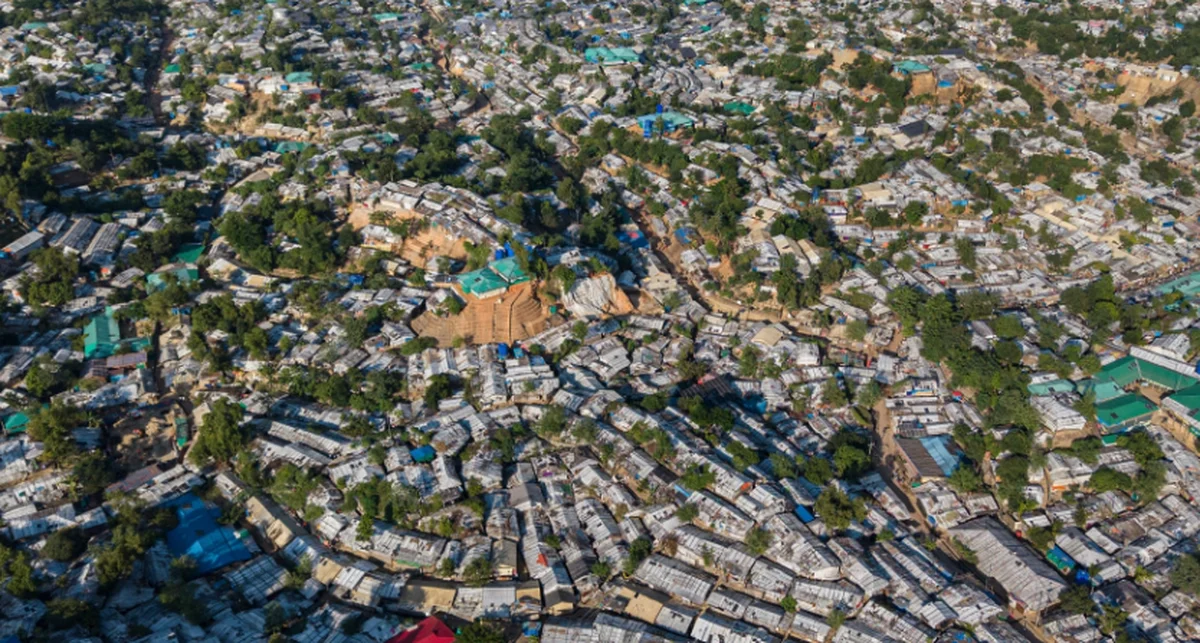
Food assistance for hundreds of thousands of Rohingya refugees living in camps in Bangladesh has been significantly reduced, raising serious concerns about worsening humanitarian conditions. The cuts affect a population of around 1.2 million refugees who are heavily dependent on aid for survival, as they are not allowed to work and have limited access to other sources of income.
Under a new system introduced by the United Nations World Food Programme (WFP), food aid will now vary depending on levels of vulnerability. While the most food-insecure households will continue to receive around $12 per person per month, a large number of refugees will see their assistance reduced to as low as $7.
Although the WFP says the revised structure is intended to ensure fairness and maintain minimum nutritional standards, refugees and officials in Bangladesh view it as a reduction in food rations. Concerns are growing that this could worsen conditions in already overcrowded camps, where living standards remain extremely fragile.
The reduction in assistance comes amid a broader decline in international funding for humanitarian operations. In 2026, aid programs for Rohingya refugees are facing significant funding shortages, limiting the ability of agencies to provide consistent support.
Aid workers and officials warn that earlier reductions have already contributed to rising malnutrition, child labor, and human trafficking in the camps. With food assistance reduced again, fears are increasing that desperate refugees may attempt dangerous sea journeys or return to unsafe conditions in Myanmar in search of survival.
The situation underscores the growing vulnerability of Rohingya refugees in Bangladesh, as shrinking aid threatens to deepen an already critical humanitarian crisis.